

Engagement - News and Updates
Health & Care Services
Discharge to Assess (D2A) Service
Discharge to Assess (D2A) Service - Online Survey
We believe people are at the heart of everything we do and should be involved in the commissioning of services. Helping to improve or change aspects of healthcare that affect you and your loved ones. We are in the process of re-designing our D2A service and want to work collaboratively with people across Somerset. This will ensure that we provide safe, effective, high-quality services that meet the needs and wishes of our population.
The Somerset Discharge to Assess Service (D2A) was developed to help people return home from hospital more quickly.
The service is jointly managed by health and social care and patients are supported at home by our team of physiotherapists, occupational therapists, therapy assistants and our care provider teams. It offers a range of services that help people regain independence after being in hospital. The team will work with people to understand and advise on longer term care and support needs (such as assistance with personal care) if required. They work closely with adult social care, the voluntary sector and other services to help people navigate longer term care, informal support or further rehabilitation as required.
The service receives referrals for people who are in acute hospitals and people who are in community hospitals and other rehabilitation units that could be in care home settings. The service is for people who live in Somerset - the service is county wide, but our team work in clusters groups to support geographical areas.
On average people spend around 17 days on the service however this can be as little as one day and is dependent on the persons goals and recovery aims.
Why are we asking for opinions now ?
The integrated Health and Care strategy for Somerset 2023-2028 identified through patient engagement that there were two key areas that were important to them: I want to receive care in my own home and I want services to be local to me.
One of the key aims for the NHSE Priorities and Planning Guidance 2025 /26 is:
To reduce the length of stay in hospitals by ensuring people are cared for in the most appropriate setting.
The D2A service is one of the key teams to support these aims. We have seen an increase in demand which is forecasted to continue. We need a service that has the capacity to meet that demand whilst ensuring we provide high quality, timely, efficient, integrated and coordinated care.
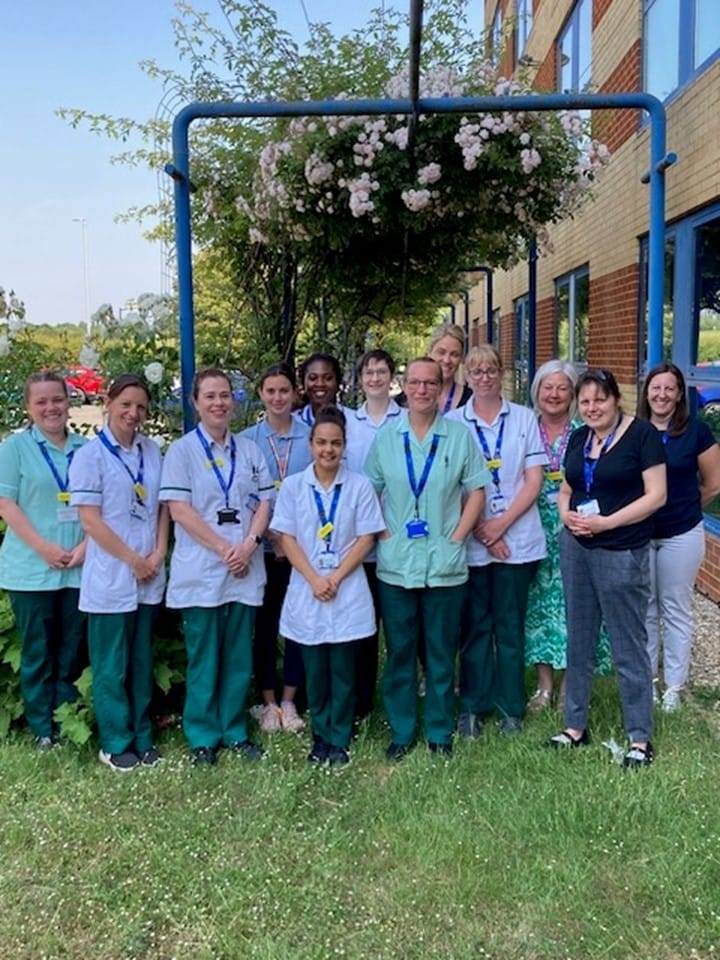
Update - You Said, We Did
We would like to thank everyone who took the time to share their experiences and views. Your feedback has helped us to understand what is working well and where we need to improve. By speaking up, you have helped shape services so they better meet the needs of patients and families. Please read below how your feedback has had an impact on our work improving the Discharge to Assess (D2A) pathway.
Survey feedback was shared with the current provider teams and the D2A therapy team. We highlighted the importance of personalised care and the need to clearly explain what Discharge to Assess (D2A) is, why visits take place and how progress is communicated. The feedback was also shared with the Intermediate Care Board, which includes leaders from Adult Social Care, the ICB and Somerset NHS Foundation Trust’s acute and community services. This ensured the learning was seen across the whole system.
All of the feedback we heard was discussed at important meetings before the tender process began. Care providers applying to run the new service were shown what patients and families said mattered most. This helped make sure future providers understood what good care should look like from the patient and family perspective.
The survey results were used to help write the new service specification for the recommissioned D2A service. Key changes included:
- Making care more personalised.
- Continuing assessments on the first day after discharge.
- Giving clearer explanations about the purpose of the service.
- Explaining why visits take place and how progress is shared.
This means patient and family views directly shaped how the service is designed.
The feedback showed how important it is for patients and families to be involved in planning for discharge from hospital. This message was shared with acute services. Work is ongoing within the Trust to improve how patients and families are supported to prepare for discharge. New patient information leaflets are being developed to make this clearer and easier to understand.
The feedback led to direct changes in how the service is delivered. For example, stronger support options have been developed for people who fund their own care. This includes better use of voluntary, community and social enterprise (VCSE) organisations.
Several members of the D2A team completed extended personalised care training. They then shared this learning with the wider team, helping staff provide care that better meets individual needs.
The feedback was included in reports to the Intermediate Care Board and formed part of the recommissioning work. We continue to collect feedback through patient experience questionnaires. These are reviewed every month, and any learning is discussed and acted upon to support continuous improvement.