
Engagement - News and Updates
Vaccinations
Vaccinations During Pregnancy
NHS Somerset’s Communications and Engagement Team carried out targeted engagement to understand people’s knowledge, experiences and views on vaccinations during pregnancy, particularly among communities experiencing health inequalities. Working with community organisations that support pregnant women and new mothers in three areas of Somerset, the team gathered feedback on people’s understanding of recommended vaccines, their experiences of being offered or receiving vaccinations, how they access information, and any barriers to attending vaccination appointments. The engagement also explored how communication and messaging could be improved to better reach and support communities who may be considered more socially or economically disadvantaged, helping inform approaches to increase awareness and improve vaccination uptake during pregnancy.
Vaccinations During Pregnancy
Pregnant women are at increased risk of viral infections due to changes in their immune system during pregnancy. Vaccinations – particularly for influenza (flu), pertussis (whooping cough) and Covid-19 – are therefore highly recommended.
If pregnant women choose not to have these vaccines, they not only put themselves at increased risk of disease, hospitalisation and death, but also prevent their baby from having increased protection from birth.
Despite the NHS and the WHO strongly recommending these vaccines in pregnancy, uptake remains low in the UK with only 51% of pregnant women having two doses of Covid-19 vaccine, 60% having the whooping cough vaccine and just 30% taking the flu jab.

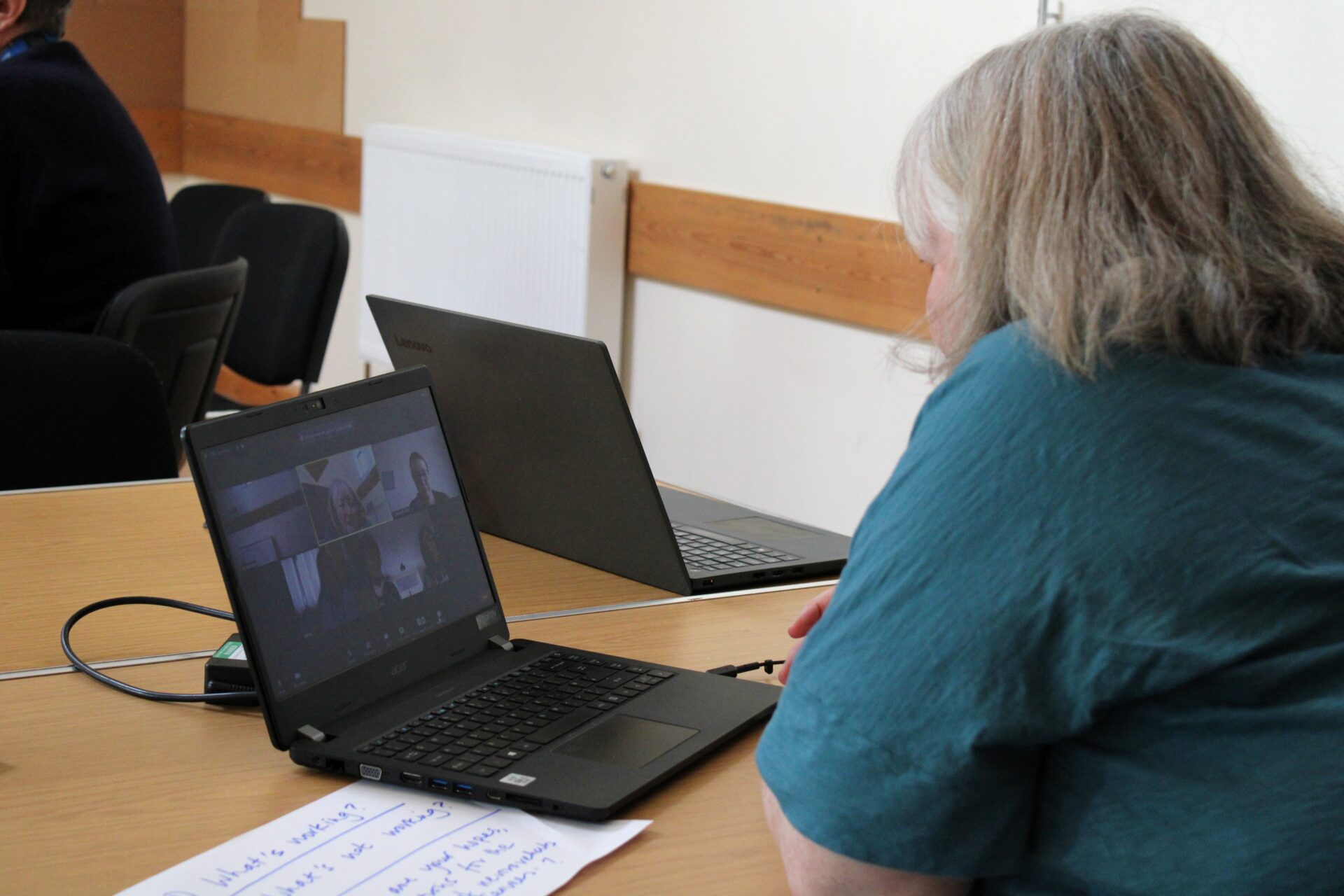
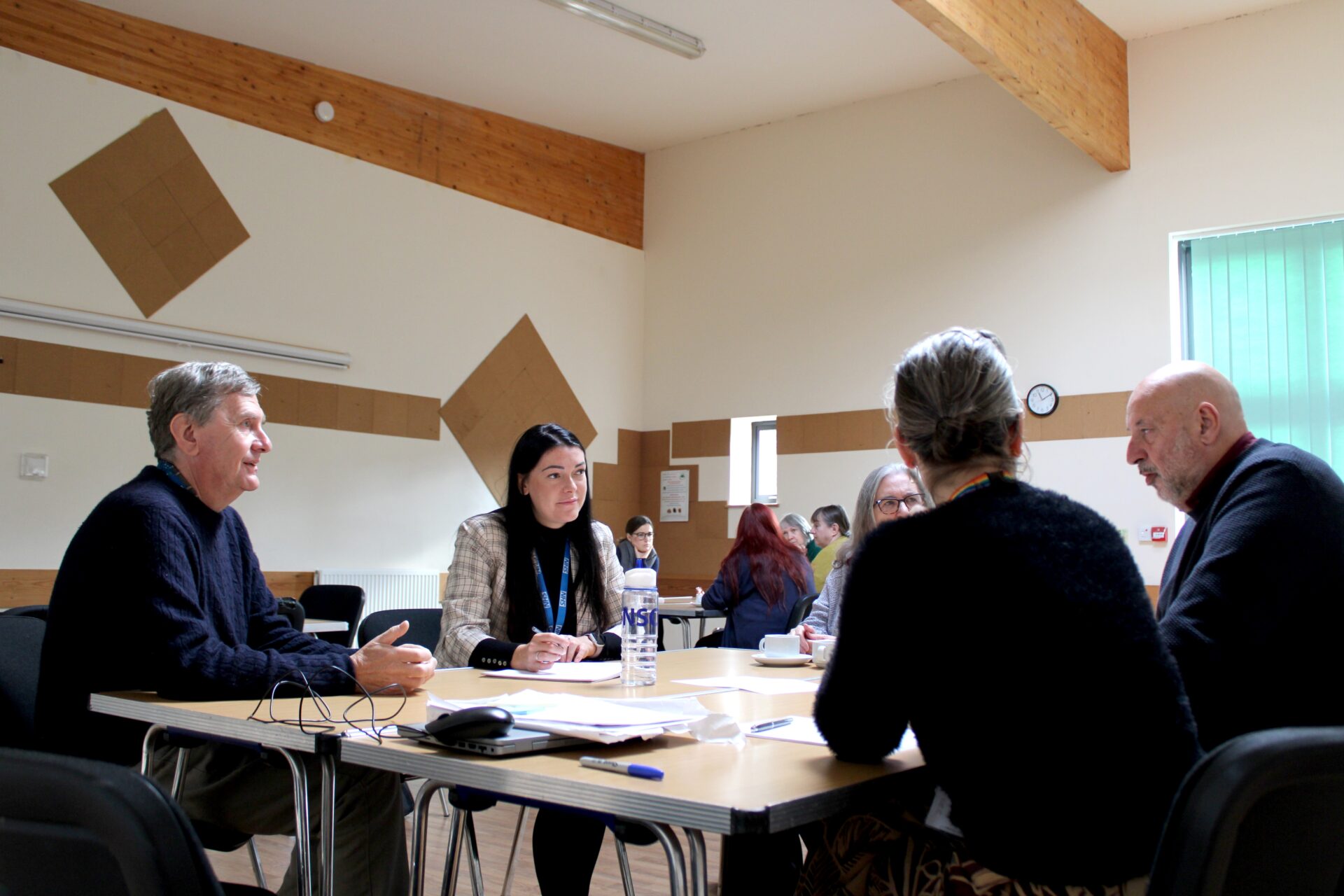

NHS England are funding engagement activity around vaccination uptake, with the specific purpose of reaching pregnant people in Somerset who may be considered as living in socio-economically deprived areas of Somerset, who may be included in Core20PLUS5 data as experiencing health inequalities, as well as diverse communities who are often referred to as ‘seldom heard’ or ‘harder to reach’. To read more about maternity as a particular clinical focus out of the '5' areas that require accelerated improvement, please see: NHS England » Core20PLUS5 (adults) – an approach to reducing healthcare inequalities
The Communications and Engagement Team is currently working collaboratively with community groups who support pregnant women and new mothers in three areas of the county. Our aim is to engage with individuals and groups to gain a better of understanding of:
• People’s knowledge and understanding of vaccination during pregnancy
• People’s experiences of getting those vaccinations
• How people currently access information about vaccinations
• How we can best adapt and develop our messaging so that it is accessible and suitable for the audiences we need to reach
• Any challenges that people face in attending vaccination appointments
Update - You Said, We Did
We would like to thank everyone who took the time to share their experiences and views. Your feedback has helped us to understand what is working well and where we need to improve. By speaking up, you have helped shape services so they better meet the needs of patients and families. Please read below how your feedback has had an impact on our work improving our vaccinations programme.
Listening to people and communities is an important part of how we improve vaccination services. Feedback gathered through engagement activity has been used in several ways to shape how vaccination information is shared, how services communicate with people, and how the programme continues to develop.
The feedback we heard from people and communities was shared with colleagues within the Vaccinations Team to help ensure staff understood the experiences, concerns and communication barriers people described. Insight was also shared more widely with Communications colleagues, Primary Care teams and system partners so that messaging and outreach activity could be coordinated and consistent across organisations.
Engagement findings were discussed at programme and operational meetings to explore what the feedback meant for how services are delivered and how information is communicated. The insight has helped teams reconsider aspects of planning, particularly how and when vaccination information is shared with different communities, including people who may face barriers to accessing services.
The feedback gathered through engagement has contributed to the ongoing development of the vaccination improvement approach, with a continued focus on reducing inequalities and supporting higher vaccination uptake. Engagement insight has also been referenced in updates and reports to senior leadership and boards to demonstrate how the views of patients and the public inform programme delivery.
Feedback highlighted the importance of clear, accessible information about vaccinations. In response, the team worked with Pigeon Productions to co-produce a series of short films about vaccinations for adults with learning disabilities. These films explain what vaccinations are, what they are for, and how they help protect people’s health. The content and format were shaped directly by engagement feedback to ensure they are accessible and meaningful.
Learning from engagement has informed how vaccination information is provided in clinics and community settings. This includes clearer explanations of what vaccinations are for and the use of more accessible formats. Feedback has also been shared with frontline teams to help raise awareness of different communication needs and support more inclusive conversations with patients.
The feedback also identified the need to continue engaging with specific communities to test materials and improve accessibility. Engagement insight forms part of the programme’s wider evidence base and supports an ongoing commitment to learning, involvement and continuous improvement.