
Medicines Safety
Reducing risk of error and harm.
Prescribing
Patient benefit from medicine safety improvements has resulted in an estimated 518 lives being saved, the prevention of 4,676 severe harms, 24,128 hospital readmissions avoided, and £9.6M avoided costs of admissions due to harm from medicines.

Click here to MHRA website for
- Alerts, recalls and safety information: medicines and medical devices
- Drug Safety Update
- Yellow Card: Report a problem with a medicine or medical device
Clopidogrel and proton pump inhibitors: interaction—updated advice
Citalopram and escitalopram: QT interval prolongation
Emollients and risk of severe and fatal burns: new resources available
Valproate - reproductive risks
Nitrofurantoin: reminder of the risks of pulmonary and hepatic adverse drug reactions
GLP-1 medicines for weight loss and diabetes: what you need to know

See below the growing number of cases of propranolol overdose in patients prescribed for anxiety.
Imogen Heap: Prevention of Future Deaths Report
Joshua Delaney: Prevention of Future Deaths Report
Claire Briggs: Prevention of Future Deaths Report
Aoife McAdam: Prevention of Future Deaths Report
Ania Sohail: Prevention of Future Deaths Report
Charlotte Comer: Prevention of Future Deaths report
Sophie Williams: Prevention of Future Deaths Report

Propranolol prescribed in vulnerable mental health patients search is available via
This will provide list of patients in your practice which would benefit from medication review. These patients have a history of depression, anxiety, self-harm or suicide and prescribed propranolol for anxiety.
Propranolol is not recommended in the treatment of anxiety (NICE).

GP mythbuster 12: Accessing medical records and carrying out clinical searches
Search categories
- Monitoring patients prescribed DMARDs
- Medicines requiring monitoring
- MHRA/Central Alerting System appropriate action in response
- Potential missed diagnosis
- Medicines usage
- Medication review
- Monitoring of high-risk patients with long-term conditions
- We may also look at:
GP mythbuster 91: Patient safety alerts
Practices need systems and processes to disseminate and act on patient safety issues and information. This includes information from external sources that could affect patient safety.
Sources of information include:
- National Patient Safety Alerts.
- Medicines and Healthcare products Regulatory Agency (MHRA) safety notifications (medicines recalls, notifications and devices safety information) alerts.
- UKHSA Urgent Public Health Messages Central Alerting System (CAS) alerts. See CAS Homepage (MHRA).
- Local or national clinical guidance.
- National and local formularies.
- Health Protection Agency alerts.
- MHRA updates

Use the central alerting system to view and search patient safety alerts, important public health messages and other safety critical information and guidance to the NHS and others, including independent providers of health and social care.
Harm from incorrect recording of a penicillin allergy as a penicillamine allergy
Shortage of Antimicrobial Agents Used in Tuberculosis (TB) Treatment
Shortage of bumetanide 1mg tablets
Shortage of Pancreatic enzyme replacement therapy (PERT) - Additional actions
Shortage of Kay-Cee-L (potassium chloride 375mg/5ml) (potassium chloride 5mmol/5ml) syrup
Shortage of Pancreatic enzyme replacement therapy (PERT)
Shortage of salbutamol 2.5mg/2.5ml and 5mg/2.5ml nebuliser liquid unit dose vials
Shortage of GLP-1 receptor agonists (GLP-1 RA) update
Potential for inappropriate dosing of insulin when switching insulin degludec (Tresiba) products
Potent synthetic opioids implicated in heroin overdoses and deaths





Potential under-recognised risk of harm from the use of propranolol
Weight-based medication errors in children
Unintentional overdose of paracetamol in adults with low bodyweight
Unintentional overdose of morphine sulfate oral solution
Online prescribing: challenges and opportunities to improve patient safety

A means of risk stratifying patients which allows medicines optimisation to reduce risk and improve patient outcomes.
For practice level data Eclipse is the best risk reduction tool available.
Patient safety – Preventing harm and avoidable hospital admissions.
Quality improvement tool – Identify trends and focus on prevention.
Audit tool – Provides assurance that medicines safety is being reviewed regularly.
New user requests can be made via support@prescribingservices.org
For practice level access, practice manager will need to authorise request.
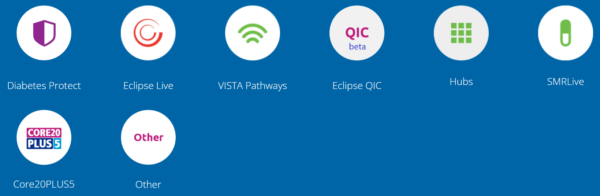
- Diabetes protect
- Eclipse live (red, amber & blue alerts)
- Vista pathways
- QIC (QOF, IIF & CQC)
- Hubs (eGFR, Haemoglobin, BP, TSH, Metabolic score/BMI)
- SMR
- Core 20 PLUS 5
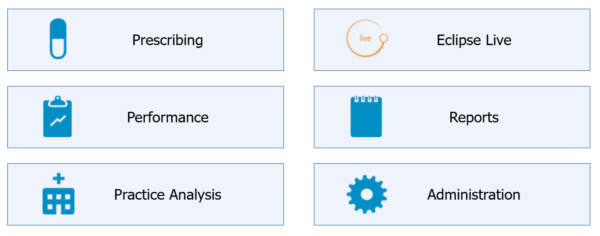
- Eclipse live (local searches)
- Reports (savings switches)



University of Liverpool Hepatitis Drug Interactions
University of Liverpool HIV Drug Interactions

SPS: Understanding drug interactions
- Considerations and interactions with GLP-1 receptor agonists
- Managing interactions with methotrexate
- Managing interactions with direct oral anticoagulants (DOACs)
- Using contraception with enzyme-inducing medicines
- Managing interactions between macrolides and statins
- Considering drug interactions with smoking
- Using clopidogrel with proton pump inhibitors (PPIs)
- Using warfarin with proton pump inhibitors (PPIs)
- Using folic acid and phenytoin safely
- Using bisphosphonates with proton pump inhibitors (PPIs)
- Managing interactions between medicines and enteral feeds
- Identifying risk factors for developing a long QT interval
NHS Somerset Joint Formulary - oral anticoagulants
- Before initiating anticoagulant - baseline clotting screening, body weight, full blood count, liver function tests, serum creatinine, urea and electrolytes are required.
- Check dose - calculate CrCl (Cockcroft and Gault is recommended) and ensure the right dose is prescribed to avoid harm (increased risk of bleeding) and ensure efficacy (preventing thrombus).
- Counsel patient on the signs and symptoms of bleeding - bruising or bleeding under the skin, tar-coloured stools, blood in urine, nose-bleed, dizziness, tiredness, paleness or weakness, sudden severe headache, coughing up blood or vomiting blood and advise them to seek medical attention immediately and to carry alert card at all times.
- Monitor full blood count, liver function tests, urea and electrolytes and serum creatinine annually or more frequently if required depending on patient factors, such as renal impairment, age, and comorbidities.
- NHS Somerset recommends people prescribed long term NSAIDs, antiplatelet or an anticoagulant should be considered for co-prescribing with a Proton Pump Inhibitor to reduce GI bleed risk.
- Bleeding may be present if there is an unexplained fall in haemoglobin - review patient immediately.
- Regularly review anticoagulant related Eclipse live red and amber alerts and action to prevent harm and hospital admissions.



The theme will be ‘side effects - don't ignore them, report them’. MHRA is partnering with organisations globally alongside the Uppsala Monitoring Centre. Please do get involved on social media and help raise awareness locally using the materials below and you can also extra materials available under our resources page.

17 September 2026: “World Patient Safety Day calls for global solidarity and concerted action by all countries and international partners to improve patient safety.”
The Medicines Safety Officer for NHS Somerset ICB is Esther Kubiak esther.kubiak@nhs.net
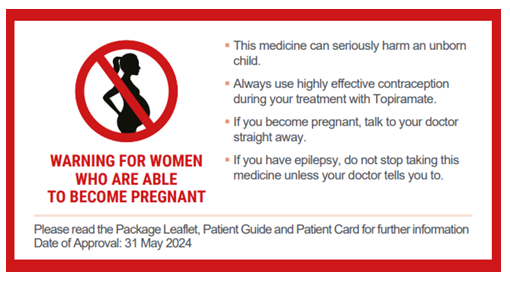
Includes links to MHRA guidance, regulatory requirements and local searches to facilitate identification of your patients in practice. Code patient when Pregnancy Prevention Programme is completed.
- Risk acknowledgement forms
- Patient guide/cards
- Health professionals guide
- Whole pack dispensing/stickers